How to Keep Your Dog Busy Indoors: 10 Fun Boredom Busters for Rainy or Lazy Days


Rainy weather, freezing temps, or long work-from-home stretches—some days, outdoor adventures just aren’t in the cards. But dogs still need ways to burn off energy and stay mentally sharp. The good news? There are plenty of easy, engaging ways to keep your dog happily occupied without leaving the house.
Here are 10 expert-backed indoor dog activities to help beat boredom, support healthy habits, and keep tails wagging—even on the laziest of days.

1. Scent Games: Put That Nose to Work
Dogs experience the world through scent, so sniff-based games are a great way to keep them stimulated. Hide dry treats around a room or under cups and encourage your pup to “find it.” Use cardboard boxes, crumpled paper, or a towel maze to turn it into a treasure hunt.
Why it works: Scent games tap into your dog’s strongest sense, provide mental stimulation, and mimic the instinct of foraging.
2. Puzzle Feeders and DIY Brain Games
Interactive feeders and food puzzles (like Kongs, snuffle mats, and muffin-tin treat games) make your dog work for their reward. You can even make your own with simple materials like paper towel rolls or tennis balls.
Why it works: Problem-solving uses a lot of mental energy, which helps tire dogs out and reduce destructive behaviors.
3. Trick Training Sessions
Use indoor time to sharpen old cues or teach new ones—roll over, high-five, or even “play dead.” Keep sessions short (5–10 minutes) and rewarding.
Why it works: Learning is enriching and builds confidence. It also strengthens your bond and improves obedience.
4. Indoor Fetch & Tug
Clear some space for a hallway fetch session using soft toys, or break out a rope toy for a game of tug. Use commands like “drop it” and “take it” to build impulse control into the game.
Why it works: Physical activity is key to burning off excess energy. Controlled tug sessions can also reduce stress and increase focus.
5. Obstacle Course or Agility Setup
Build a mini agility course using cushions, chairs, broomsticks, or cardboard tunnels. Get your pup to jump, crawl, and weave using treats as lures.
Why it works: These activities challenge both brain and body, encourage problem-solving, and keep things playful.
6. Hide and Seek
Have your dog stay in one room while you hide somewhere else—or hide a favorite toy—and call them to come find you. Offer a reward when they succeed.
Why it works: This reinforces recall skills, adds excitement, and creates positive associations with play.

7. Lick Mat Calm Time
Spread a lick mat with peanut butter, banana, or plain yogurt and freeze it for longer enjoyment. Licking releases calming endorphins that help settle your dog.
Why it works: It offers soothing enrichment and keeps anxious pups engaged without overstimulation.
8. Chew Time with Yak & Paws
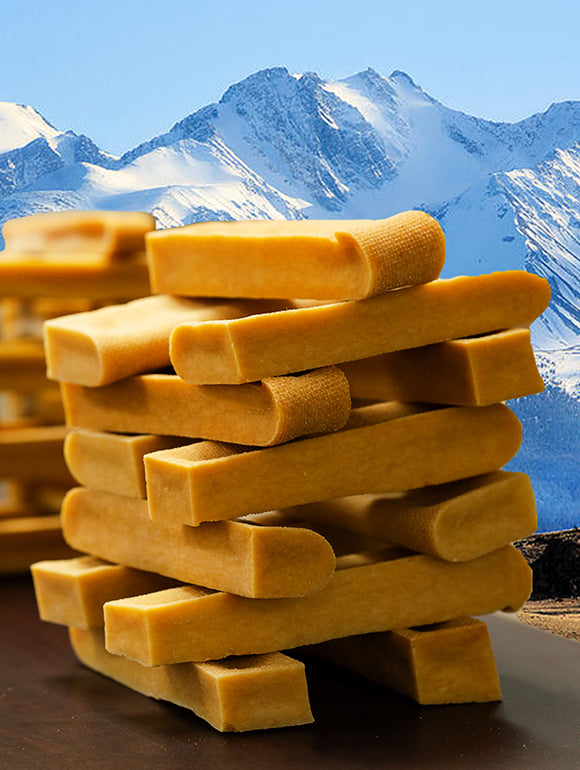
Dogs love to chew—and it’s good for them, too. Offer a long-lasting, natural chew like a Yak & Paws Himalayan yak cheese chew. It keeps dogs engaged, supports dental health, and releases feel-good chemicals from the act of chewing.
Why it works: Chewing relieves stress, fights boredom, and satisfies natural instincts. Yak & Paws chews are fully digestible and made with just milk and lime—nothing artificial.
Safety tip: Limit chew time to ~15–20 minutes at a stretch and always supervise.
9. Frozen Toy Fillers
Stuff a Kong with a mix of kibble, pumpkin, or yogurt and freeze it. It becomes a longer-lasting snack that keeps your dog entertained while you take a break.
Why it works: It combines enrichment with feeding, slows eating, and provides tactile feedback through chewing and licking.
10. Mix-and-Match Play Routine
Don’t stick to just one activity. Rotate 2–3 ideas each day—maybe scent work in the morning, a lick mat after lunch, and a short obstacle course in the evening.
Why it works: Variety prevents boredom and overstimulation. A balanced day of active and calming play keeps your dog happy and manageable indoors.
Poll: Which activity will you try first?
-
Puzzle feeder
-
Tug-of-war
-
Obstacle course
-
Hide-and-seek
Final Thoughts: Stay In, Stay Enriched
Even when outdoor time is limited, your dog can still enjoy a fulfilling day indoors. With just a little creativity, everyday objects and simple games become powerful enrichment tools. From puzzle toys to relaxing yak cheese chews, each of these activities helps your pup release energy, stay mentally sharp, and feel calm.
Try a few this week—and when it’s time for a quiet reward, reach for a Yak & Paws chew. Natural, long-lasting, and tail-thump approved.
References
-
American Kennel Club. “Indoor Games with Your Dog.” https://www.akc.org/expert-advice/training/indoor-games-with-dog/
-
ASPCA. “Home Tips for Keeping Your Pets Busy and Engaged.” https://www.aspca.org/news/home-tips-keeping-your-pets-busy-and-engaged
-
Preventive Vet. “Dangers of Popular Dog Chews.” https://www.preventivevet.com/dogs/potential-dangers-of-popular-dog-chews
-
Fear Free Happy Homes. "Handouts: DIY Enrichment for Dogs." https://www.fearfreehappyhomes.com/topics/handouts-diy-enrichment-for-dogs/
Frequently Asked Questions
How much indoor mental stimulation does a dog actually need each day?
Most dogs benefit from at least 15–30 minutes of dedicated mental enrichment daily in addition to physical exercise. High-energy or working breeds may need significantly more. Signs your dog is under-stimulated include excessive barking, chewing furniture, pacing, or attention-seeking behavior. Spreading activities throughout the day, morning scent work, midday chew, and evening puzzle feeder is more effective than one long session.
Can indoor activities really tire out an energetic dog without a long walk?
Yes, mental exhaustion is as tiring as physical exertion. Sniff-based games and puzzle feeders engage the same cognitive resources as a brisk walk, which is why dogs often nap well after nose work. Research supports that scent enrichment reduces stress hormones in dogs. On days you can't get outside, a 20-minute rotation of scent games, training, and a long-lasting chew can leave even a high-drive dog content and sleepy.
Are DIY puzzle games safe, or should I stick to store-bought enrichment toys?
DIY games can be perfectly safe when designed thoughtfully. The key is to avoid small loose pieces that could be swallowed, sharp edges, or toxic materials (no rubber bands, staples, or treated cardboard). Simple options: muffin tin games, paper towel roll treat puzzles, and towel snuffle mats are generally safe. Always supervise the first few sessions with any new DIY or commercial toy to assess how your dog interacts with it.
My dog gets frustrated and gives up on puzzle toys quickly. What am I doing wrong?
Frustration usually means the puzzle is too difficult for your dog's current skill level. Start with the easiest setting or simplest version and let your dog build confidence with quick wins. Scatter kibble visibly at first, then gradually hide it. Also, check whether the toy suits your dog's problem-solving style. Some dogs prefer snuffling, others prefer pawing or nudging. Matching the toy type to your dog's natural approach significantly reduces frustration.