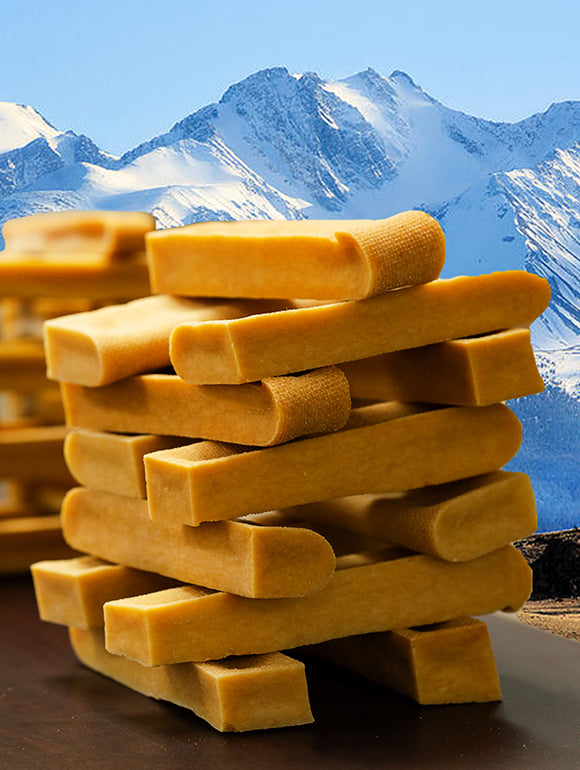
Chewing: The Natural Way to Keep Your Dog’s Teeth Clean


Dogs love to chew – it’s a fun, instinctive behavior. But chewing isn’t just playtime; it actually helps keep their mouths healthy. When your pup gnaws on a safe, vet-approved chew, the abrasive action scrapes off food debris, plaque and tartar from teeth. In fact, a University of Illinois study led by Meredith Carroll found that dogs given a daily dental chew had significantly less plaque and tartar than dogs on diet alone. In plain language, regular chews can slow down the buildup of tooth gunk that causes gum disease. Add a chew to your dog’s routine and you’re giving their smile a boost almost “for free.”
Scrubbing Away Plaque and Tartar

Chewing works a bit like a toothbrush: as your dog bites and chews, the treat’s rough edges physically scour the teeth. This action reduces sticky plaque and hard tartar on the chewing surfaces. The Illinois study mentioned earlier showed that two new chew designs were just as effective as a top-selling dental chew when it came to reducing plaque and tartar buildup reducing plaque and tartar buildup . In plain terms, dogs that chewed daily had about 12–35% lower plaque and tartar levels after four weeks than dogs that didn’t chew. And an even older study found that adding one chew each day to a twice-weekly brushing routine noticeably lowered plaque and calculus. So even if brushing every day is hard, a daily chew helps keep teeth cleaner between vet visits.
Fresher Breath, Naturally

Bacteria that cause plaque also make foul odors. Chewing boosts saliva flow and dislodges food bits, which can help reduce those smelly compounds. In the same Illinois trial, dogs that got chews had dramatically fresher breath: they showed around 75% lower levels of sulfur compounds (the stinky stuff in bad breath) than dogs that did not chew. For perspective, other chew studies saw only 7–45% improvements in breath, so this was a big change. In short, when dogs chew regularly, their mouths stay cleaner and their breath smells better.
Stronger Gums and Teeth

Plaque that isn’t removed leads to gum inflammation and periodontal disease over time. By cutting down plaque, chewing helps protect gums too. One veterinary study noted that dogs given a daily dental chew had lower gingivitis (gum inflammation) scores than dogs that didn’t chew. Basically, chewing massages the gums and slows early gum disease. In practice, adding a chew is not a replacement for brushing, but it “gives an added health benefit” when brushing is less frequent. So think of chewing as a helpful sidekick that makes dental care easier and more effective.
Tips for Smart, Safe Chewing
Adding daily chews to your dog’s routine is easy, but keep a few tips in mind:
- Routine: Give a chew after mealtime to maximize saliva flow. Even 5–10 minutes of chewing can help scrub the teeth.
- Choose Wisely: Look for vet-tested dental chews or treats with a Veterinary Oral Health Council (VOHC) seal. These are proven to reduce plaque. The chew should be large enough so your dog can’t swallow it whole, but not so hard that it risks tooth cracks.
- Moderation: Treats (including chews) should be no more than ~10% of your dog’s daily calories, as reviewed in the Illinois study. Overdoing chews can add extra calories or upset stomachs.
- Complement Brushing: Keep trying to brush your dog’s teeth when possible. Chews help most when combined with good home care.

Chewing is something dogs do anyway – by offering the right kind of chew, you make that instinct work for them. In other words, you’re giving them a tasty treat and cleaner teeth at the same time. Just supervise chewing sessions, choose the right products, and enjoy knowing you’re helping your pup avoid dental problems. After all, dogs with healthy teeth and gums feel better and can enjoy meals (and kisses) more too!
References
- Swanson KS, Carter RA, Unruh JA, Sisson TL, Fahey GC. 2020. Effects of novel dental chews on oral health outcomes and halitosis in adult dogs. Journal of Animal Science. 98(2):1–17. https://doi.org/10.1093/jas/skz329
- Gorrel C, Rawlings JM. 1996. The role of tooth-brushing and diet in the maintenance of periodontal health in dogs. Journal of Veterinary Dentistry 13(4):139–143