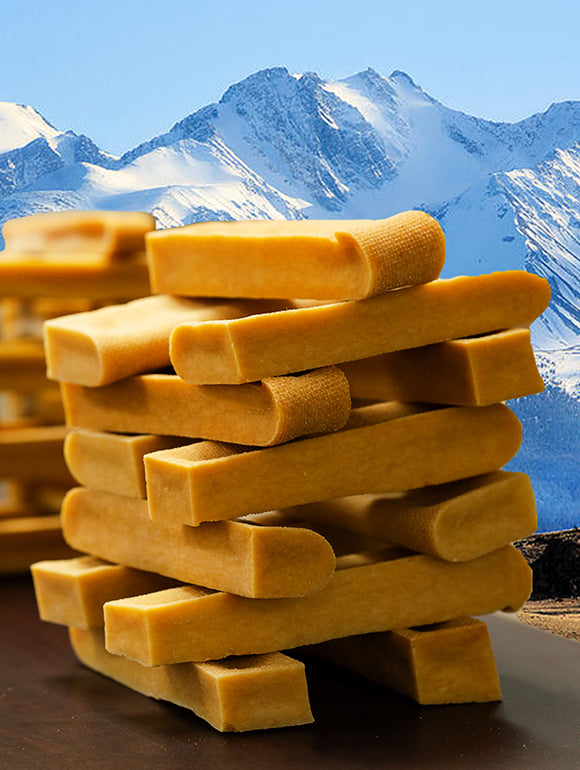
Can Himalayan Chews Help with Bad Breath in Dogs?


If your dog’s breath makes you back away, you’re not alone. Bad breath, or halitosis, is one of the most common complaints among dog parents. While brushing is the gold standard, chewing can play a big role in keeping your dog’s mouth fresh—and Himalayan yak cheese chews might offer a surprising solution.
Let’s explore how these hard, natural chews support fresher breath—through mechanical cleaning, nutritional balance, and easier digestion.
Why Do Dogs Have Bad Breath?

Most dog breath issues come from one of two places:
- Plaque and tartar buildup on the teeth and gums
- Digestive imbalance, including poor gut health or undigested food
Sometimes the issue is medical (like kidney disease or diabetes), but in healthy dogs, oral bacteria and leftover food particles are the usual culprits.
How Chewing Can Help

When dogs gnaw on something firm and fibrous, it scrapes their teeth—removing debris and slowing plaque formation. Think of it like a natural toothbrush in motion. According to the American Kennel Club, chewing helps mechanically reduce tartar and stimulate saliva, which naturally cleanses the mouth.
The longer and more deliberately your dog chews, the better the effect. That’s why long-lasting chews are more effective for oral health than quick treats.
What Makes Himalayan Cheese Chews Different?
Himalayan yak cheese chews (Chhurpi) stand out because of:
- Extreme hardness – Dogs must gnaw for hours or even days, promoting prolonged cleaning.
- Natural composition – Just milk and lime. No artificial flavors, fillers, or additives that coat the teeth.
- Lack of residue – They don’t leave behind sticky crumbs like soft treats do.
- Gentle softening – Saliva softens the exterior gradually, allowing dogs to work slowly without splintering or swallowing large chunks.
Yak cheese also has a mild, non-offensive odor, so it won’t contribute to a smelly mouth like some meat-based chews.
Digestive Benefits That Influence Breath
Bad breath isn’t just a mouth problem. It can also stem from the gut, especially when treats are hard to digest. Unlike rawhide or greasy pig ears:
- Chhurpi is considered highly digestible based on the properties of fermented yak milk, which is rich in casein and low in lactose, as reported in Frontiers in Veterinary Science.
- Lactose is minimal due to fermentation, making it suitable for dogs with sensitive stomachs.
- No additives or binders that may ferment in the gut.
By keeping digestion smoother, yak cheese chews may reduce breath issues that originate from poor gut health.
How Do They Compare to Rawhide?
Rawhide is a common chew, but it’s known for two problems:
- Low digestibility — It can sit in the stomach for hours.
- Choking hazard — Large chunks can get lodged in the throat.
Both the American Kennel Club and Dog Food Advisor highlight these risks, noting that rawhide can worsen breath by sticking in teeth or backing up the digestive system.
A Smarter Way to Help Freshen Your Dog’s Breath

Yak cheese chews aren’t a cure-all—but they’re a smart, multi-benefit addition to your dog’s dental care routine. Used regularly (a few times a week), they can:
- Reduce buildup that causes bad breath
- Support healthy digestion
- Offer enrichment that keeps your dog calm and engaged
Note: Severe or persistent bad breath could signal an underlying health issue. Consult your vet if odor persists even with good chew habits.
Want to give it a try? Yak & Paws chews are made with just milk and lime—no additives, no fillers, just natural breath support. Pick up a pouch and see the difference in your dog’s breath and energy.
References
- Kalwar, Q. et al. (2023). Yak milk and its health benefits: a comprehensive review. Frontiers in Veterinary Science, 10, 1213039. https://www.frontiersin.org/articles/10.3389/fvets.2023.1213039/full
- American Kennel Club. (2024). Are Rawhide Chews Dangerous for Dogs? https://www.akc.org/expert-advice/health/are-rawhide-chews-dangerous-for-dog/
- Dog Food Advisor. (2024). Is Rawhide Bad for Dogs? https://www.dogfoodadvisor.com/dog-feeding-tips/rawhide-bad-for-dogs/
Frequently Asked Questions
How often should I give my dog a Himalayan chew to see a difference in their breath?
For dental and breath benefits, consistency matters more than frequency. Most vets recommend a dental-chewing session a few times per week, similar to the guidelines for dental treats. Research on dental chews shows measurable improvements in plaque and sulfur compounds (the main cause of bad breath) after 2–4 weeks of regular use. One 15–20-minute session of active gnawing a few times per week is a good starting routine.
Can bad dog breath signal something more serious than poor dental hygiene?
Yes. While most dog halitosis stems from plaque and tartar, persistent bad breath that doesn't improve with good dental habits can indicate kidney disease (which can create an ammonia-like odor), diabetes (fruity or sweet breath), or liver disease. If your dog's breath suddenly changes significantly or smells unusually sweet, chemical, or extremely foul, a veterinary examination is warranted rather than just adding chews.
Do Himalayan chews help with bad breath caused by digestion, or only from dental issues?
Both, potentially. Himalayan chews are highly digestible and nearly lactose-free, so they're less likely than rawhide or greasy treats to ferment in the gut and contribute to digestive-origin odors. The mechanical action also removes food debris from teeth, targeting oral bacteria. That said, significant gut-related bad breath (from acid reflux, diet, or GI illness) usually requires dietary or medical intervention beyond any chew.
My dog has had a professional dental cleaning. Do they still need chews for oral health?
Yes, professional dental cleanings address existing tartar under anesthesia, but they don't prevent new buildup from forming. Chews, brushing, and dental treats help slow plaque accumulation between cleanings. Most veterinary dentists recommend at-home dental maintenance as the primary prevention strategy and professional cleanings when buildup becomes significant. Himalayan chews fit naturally into that maintenance routine.